


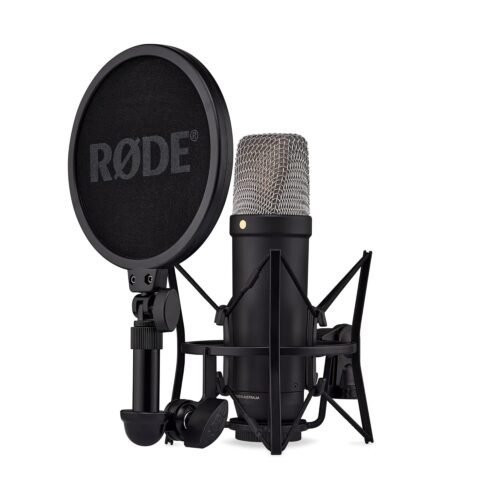




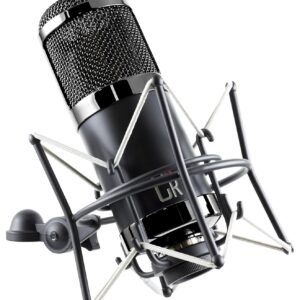
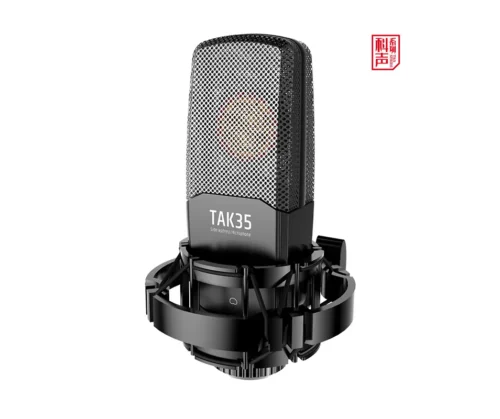
The classic NT1 sound, now with XLR and USB in one mic. The Rode NT1 5th Generation is a large-diaphragm cardioid studio condenser. Plug it into an audio interface by XLR, or straight into a computer by USB-C with 32-bit float recording.
Why customers choose it
Who it is for
Home studio singers, voice-over artists, podcasters, YouTubers and musicians recording guitar, piano or drums. Good for a first studio mic that you will not outgrow.
What’s in the box
- NT1 5th Generation microphone
- SM6 shock mount with pop filter
- XLR cable (6m)
- SC29 USB-C cable
Specifications
| Acoustic Principle | Pressure gradient |
|---|---|
| Capsule | 1.00 inch (HF6) |
| Polar Pattern | Cardioid |
| Address Type | Side |
| Frequency Range | 20Hz – 20kHz |
| Maximum SPL | 142dB SPL |
| Equivalent Noise | 4dBA |
| Sensitivity | -32dB re 1V/Pa (25mV @ 94dB SPL) |
| Output Impedance | 100 ohm |
| Analog Output | 3-pin XLR, P48 phantom power |
| Digital Output | USB-C, 5V |
| Bit Depth / Sample Rate | 24-bit, 32-bit float / 48, 96, 192kHz |
| Weight | 308g |
| Dimensions | 52 x 52 x 189mm |
| Connectivity | XLR, USB-C |
| Power Supply | P48 phantom (XLR) / USB 5 V |
| Colour | Black |
Good to know
- XLR use needs 48V phantom power from your interface or mixer.
- APHEX processing works only at 48kHz / 24-bit.
- For Windows, RØDE offers a free ASIO driver for 32-bit float and multi-mic USB recording.
- Needs a mic stand (not included).
FAQ
Do I need an audio interface?
No. You can plug it into a computer by USB-C. An interface is only needed if you want to use the XLR output.
Is it good for vocals and instruments?
Yes. RØDE says it suits vocals, speech, guitars, drums and piano.



 Talk to Suhavi
Reviews
There are no reviews yet.