Shopping Cart (0)

Close

No products in the cart.
track you order
customer care +91 8882775693

SPL Audio Hermes Mastering Insert Router

609,000

In stock

Estimated delivery dates: Apr 7, 2026 - Apr 11, 2026

In stock

Get GST invoice and save upto 18%

Product Highlights

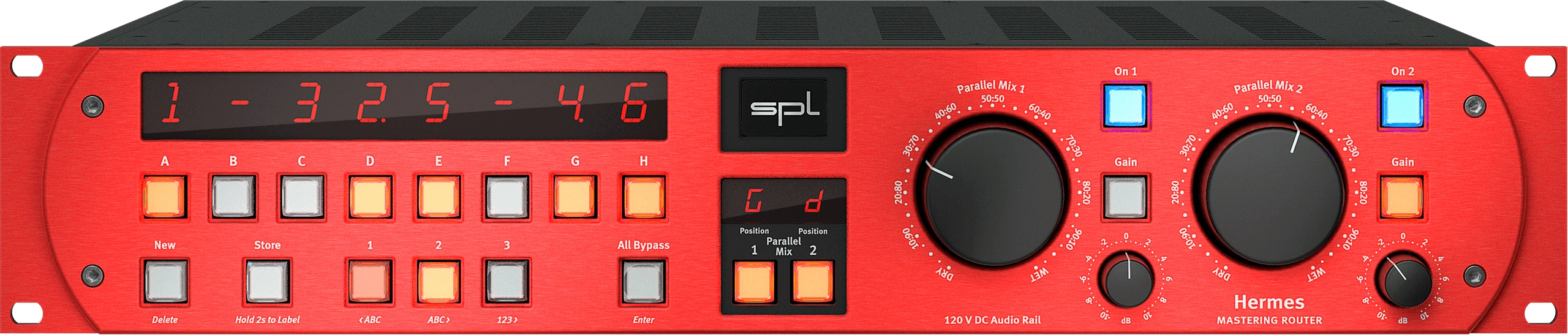
  • SPL Hermes has developed a routing matrix for 8 dual-channel CPUs.
  •  Generate, store, and compare complicated processing chains.
  •  Quickly compare up to four processing chains.
  •  Passive routing using gold-plated and gas-capsuled relays.
  •  Includes two parallel mix stages with gain adjustment.

Achieve unparalleled precision and clarity in your mastering process with the SPL Audio Hermes Mastering Insert Router, designed to deliver a pristine analog signal with an impressive frequency range of 4 Hz to 300 kHz. Its low noise floor of -121 dBu and robust internal linear power supply ensure consistent, high-fidelity audio performance. Discover how this professional-grade unit can elevate your studio monitoring and mastering workflow to the highest standard.

004-security

1 Year
Warranty

003-genuine

Genuine
Products

008-help-desk

Free Tech
Support

001-free-delivery

Secure
Shipping

006-money-back-guarantee

Absolute
Satisfaction

007-van

3 Days
Dispatch

SPL Audio Hermes Mastering Insert Router

Hermes

Mastering Router with dual Parallel Mix

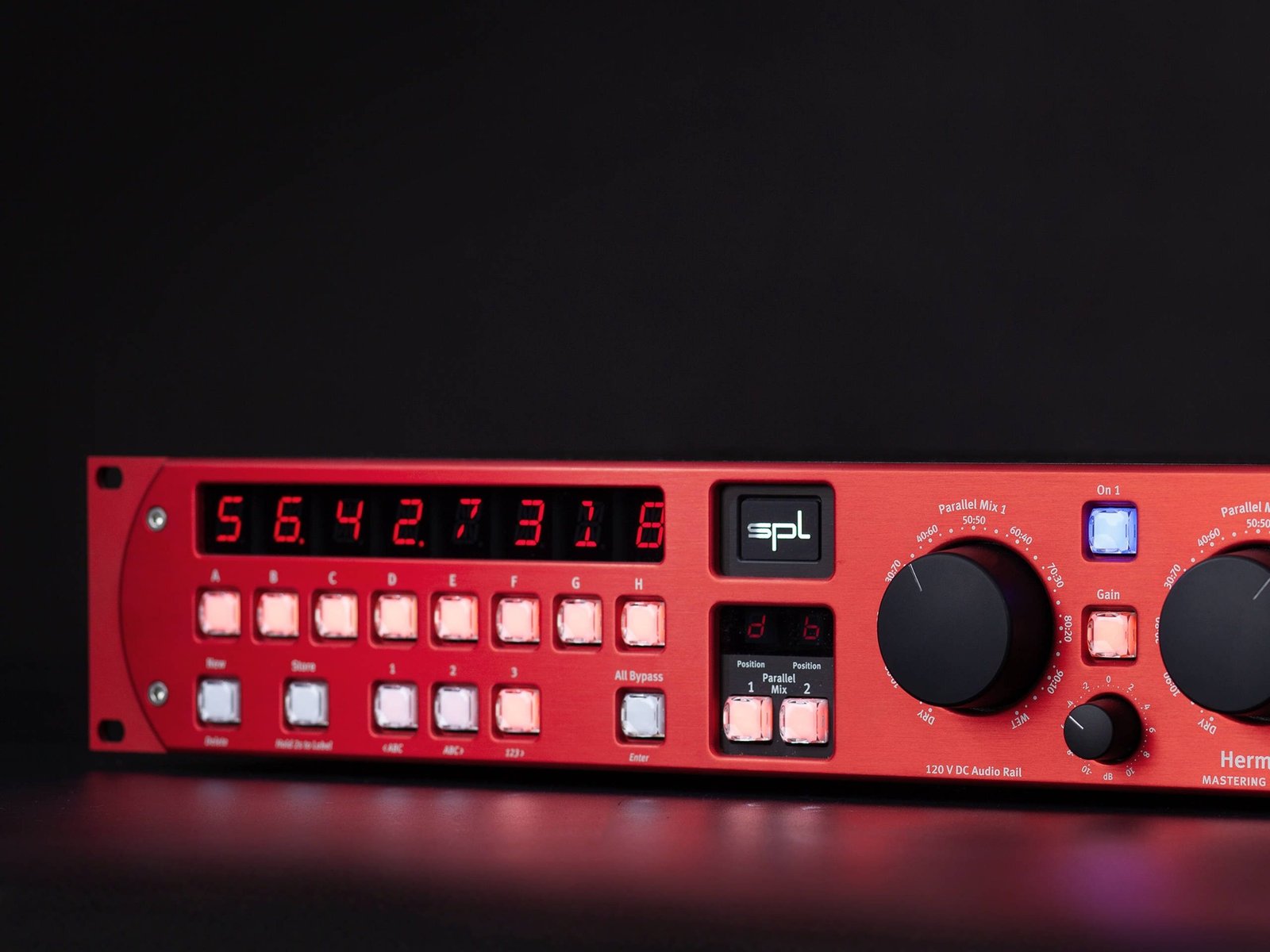
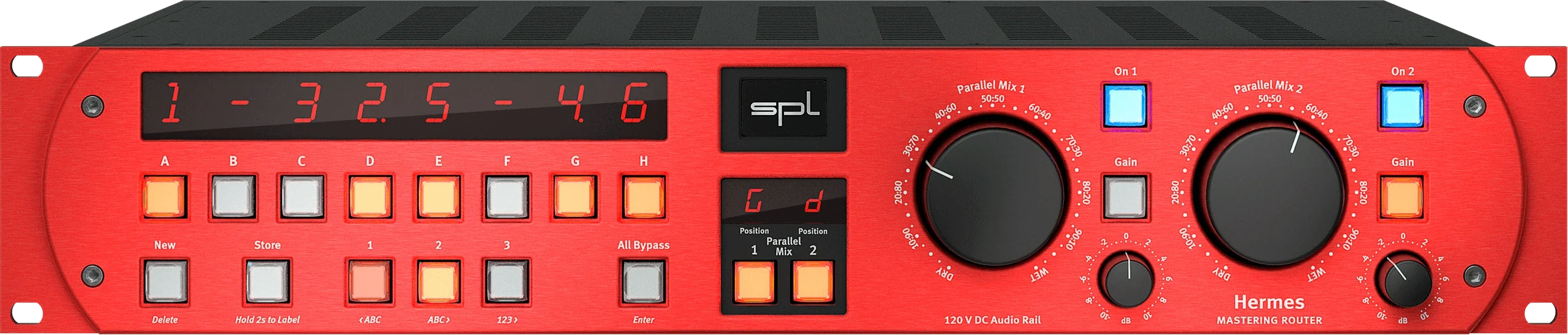
Hermes revolutionizes mastering. Now it is possible to have an audio signal processed by up to eight 2-channel processors in any order that can be stored. At the push of a button you can compare up to four complex processing chains.

SPL Audio Hermes Mastering Insert Router (2)

Connect, route, store, compare

Hermes accelerates mastering workflows in an unprecedented achievable way. The time-consuming replugging of the patchbay alone had made true comparison almost impossible.

Now you can change, store and compare processing chains in seconds. All with real buttons, relays and without additional software.

SPL Audio Hermes Mastering Insert Router (2)

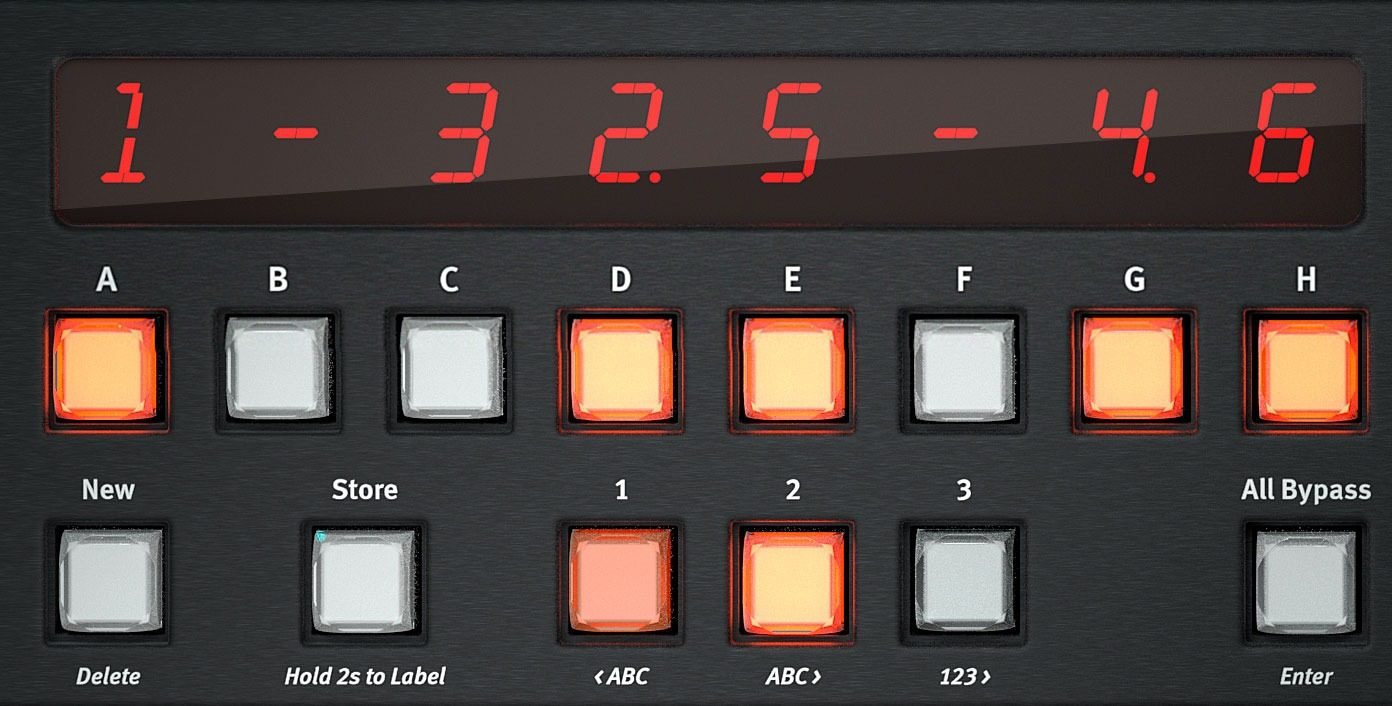
Simply push the processor buttons A to H in the order in which the audio signal should pass through the processors and store it.

All processors can be named for a better overview. The name always appears briefly in the display when an insert button is pressed.

Free routing of two parallel mix stages

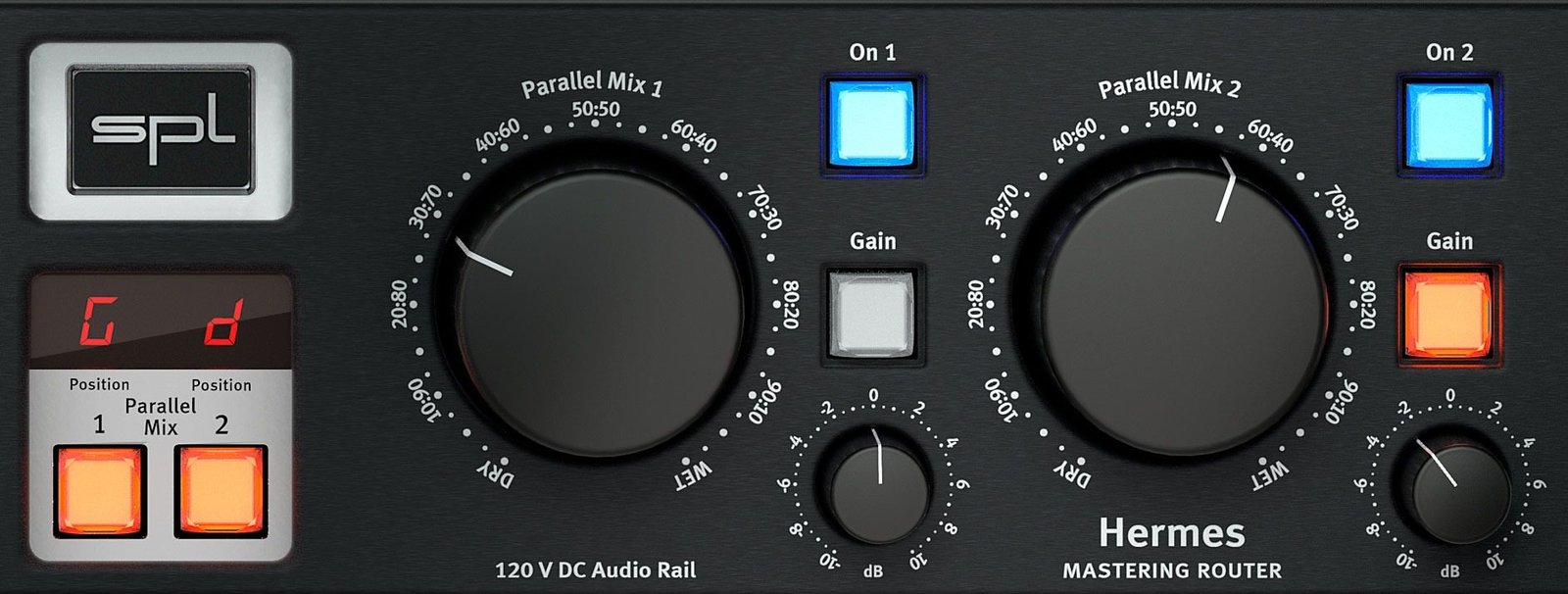
Hermes has two parallel mix stages that can be freely assigned to each of the eight processors and stored with a processing chain.

This means that even two compressors with different parallel mix settings can be compared quickly and easily.

SPL Audio Hermes Mastering Insert Router (3)

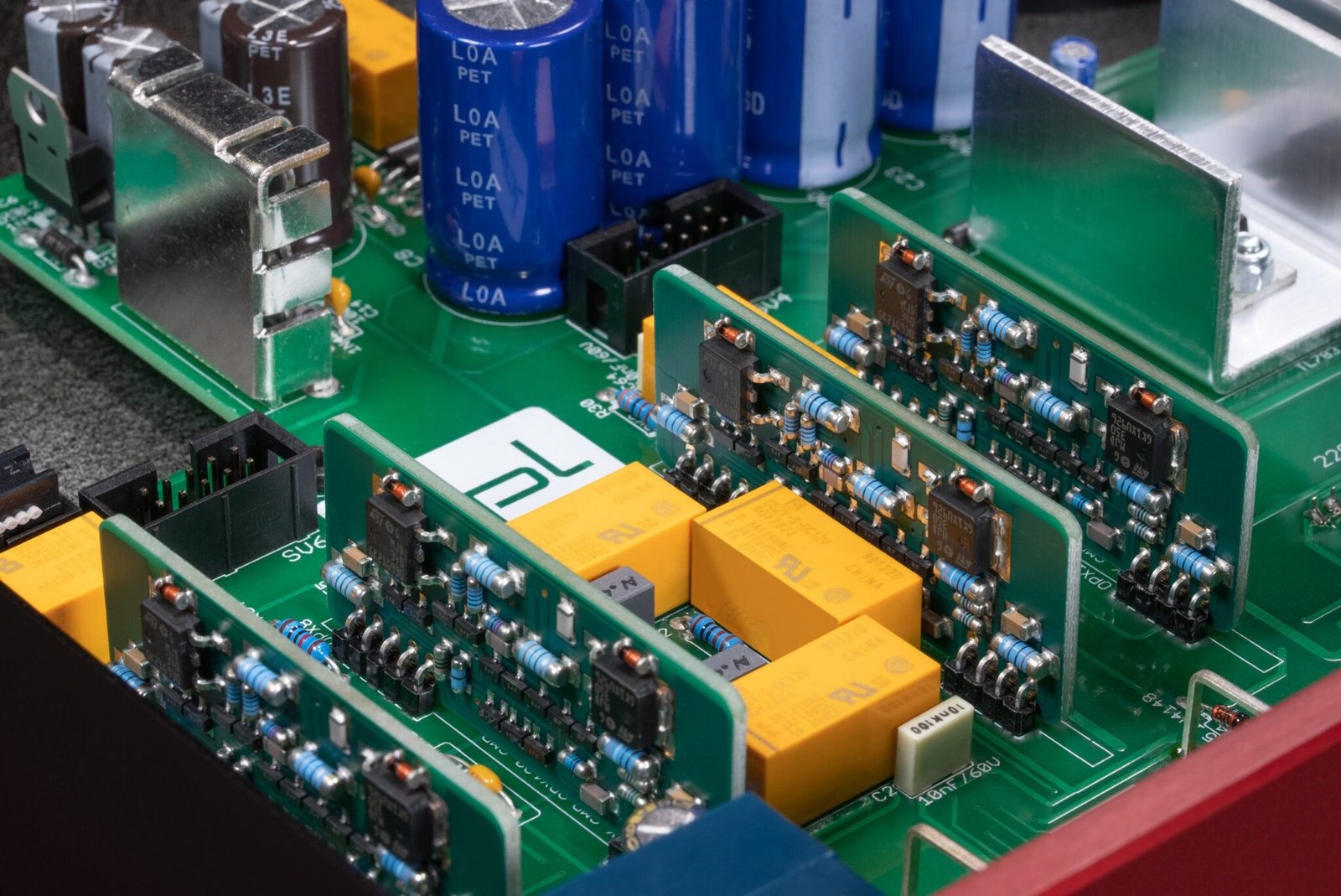
The routing is completely passive with gas-encapsulated and gold-plated high-end relays.

All active stages, such as the input/output stages and the parallel mix stages work in 120V technology.

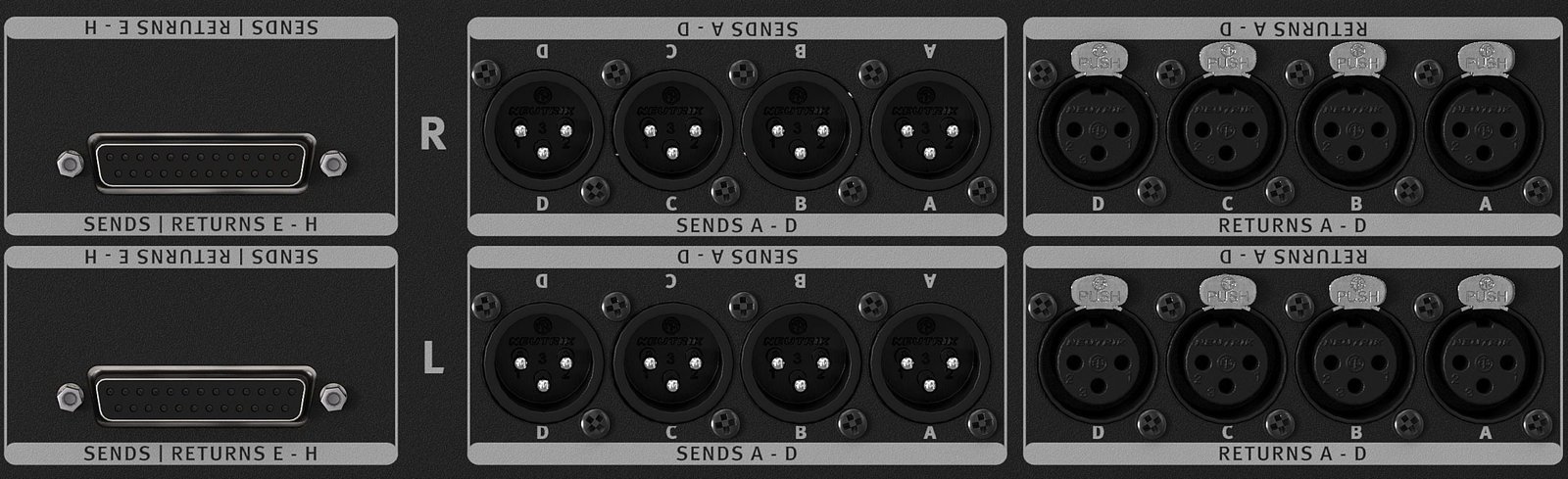
Sends & Returns

SPL Audio Hermes Mastering Insert Router (4)

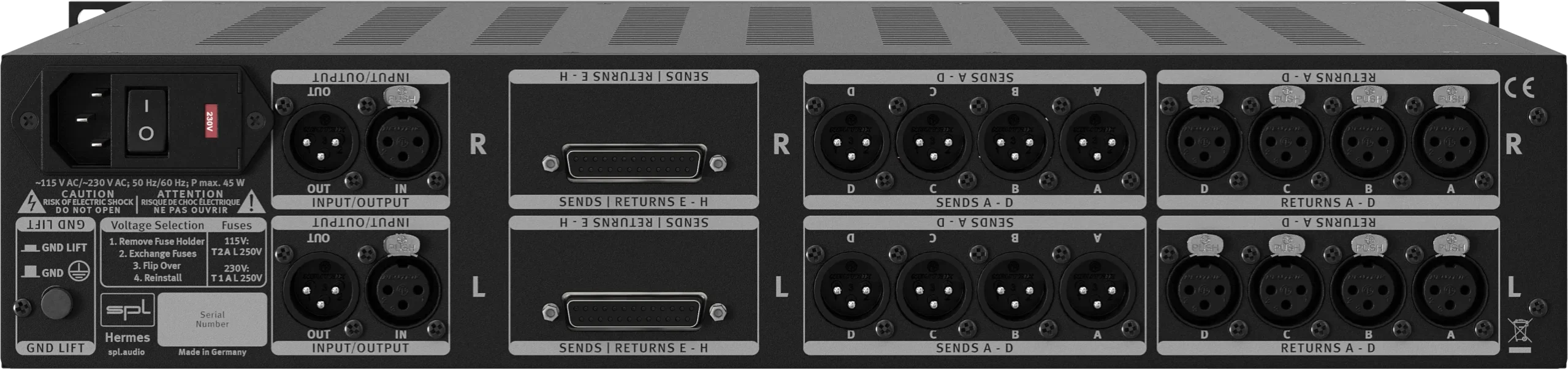
The stereo channels are strictly separated on two boards to achieve the highest possible channel separation.

The inserts are connected with XLRs for the first four stereo processors and with DB25 for the second four stereo processors.

The 120V technology

The 120V technology is our reference technology. The 120V technology is unique in the world. It operates at a DC voltage of 120 volts. This is four times that of IC-based semiconductor op-amps.

imgi_68_Phonitor-se-innen-2048x1368

The highest possible audio quality requires the highest possible audio operating voltage.

The 120V technology works with +/-60 V. To be able to handle such a high voltage, we have developed special proprietary operational amplifiers that can operate with a DC voltage of +/-60 V: the SPL 120V SUPRA operational amplifiers.

This high voltage would destroy conventional components and operational amplifiers.


The 120V technology achieves exceptional technical specifications and sonic benefits. Technically, in terms of dynamic range, signal-to-noise ratio and headroom. Sonically, in terms of richness of detail and an absolutely relaxed listening experience.

By the way, the “120V” in the name of the technology has nothing to do with the local mains voltage from the mains power socket. This is about the operating voltage inside the device with which the audio signals are processed.


The mains voltage from the mains power socket is transformed to the required secondary voltage in the device’s internal linear power supply with toroidal transformer. Rectifiers convert this AC voltage into DC voltage required in the audio device.


imgi_29_Galaxy-Ref-Mastering-4-1

The idea for SPL 120V technology and the SUPRA operational amplifier based on this technology were developed in the 1990s by SPL founder and chief developer Wolfgang Neumann.


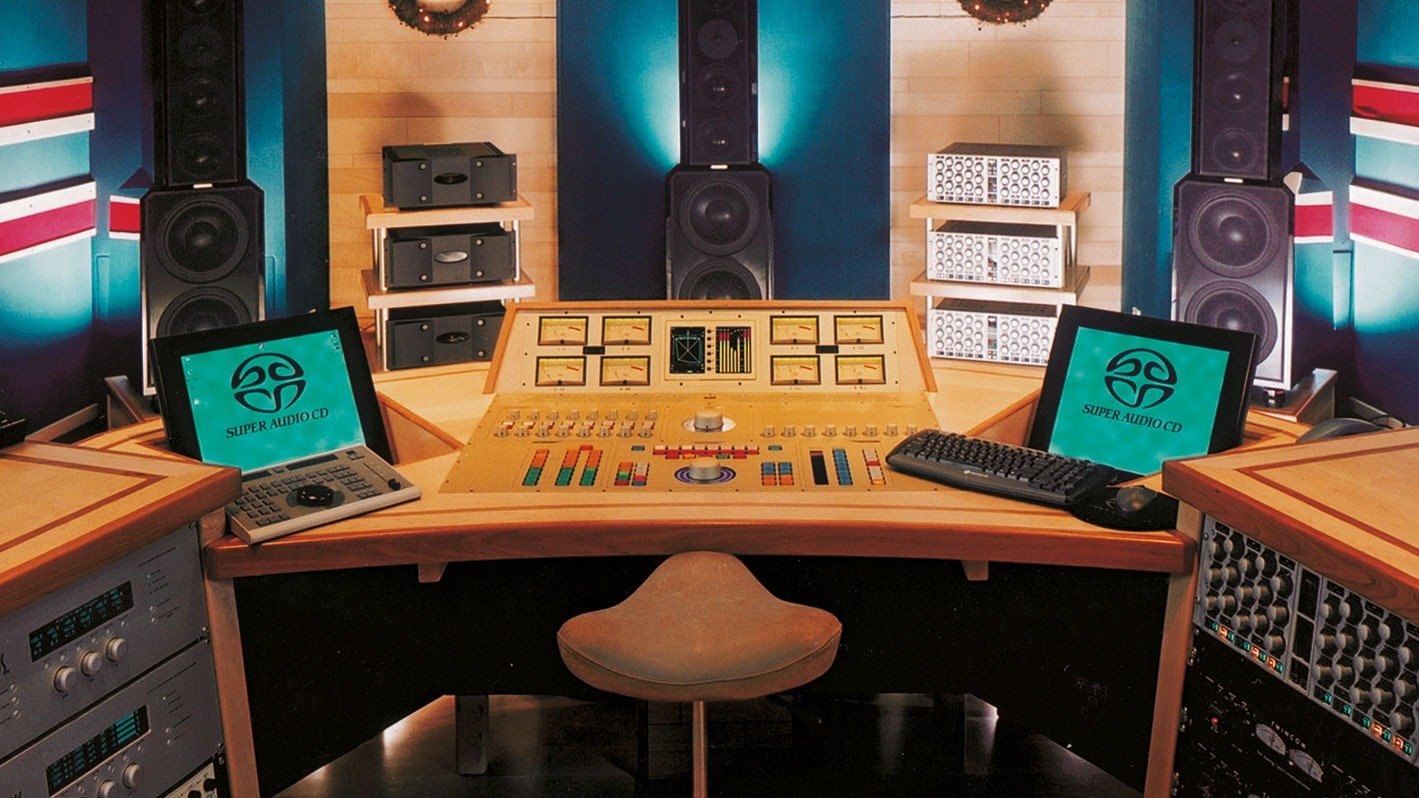
With the goal of building the best mastering console ever, this basic technological philosophy then took shape for the first time – thus the SPL MMC1 Mastering Console for Galaxy Studios saw the light of day in 2000.

The outstanding sonic and technical features quickly got around in the scene – so further orders were not long in coming.

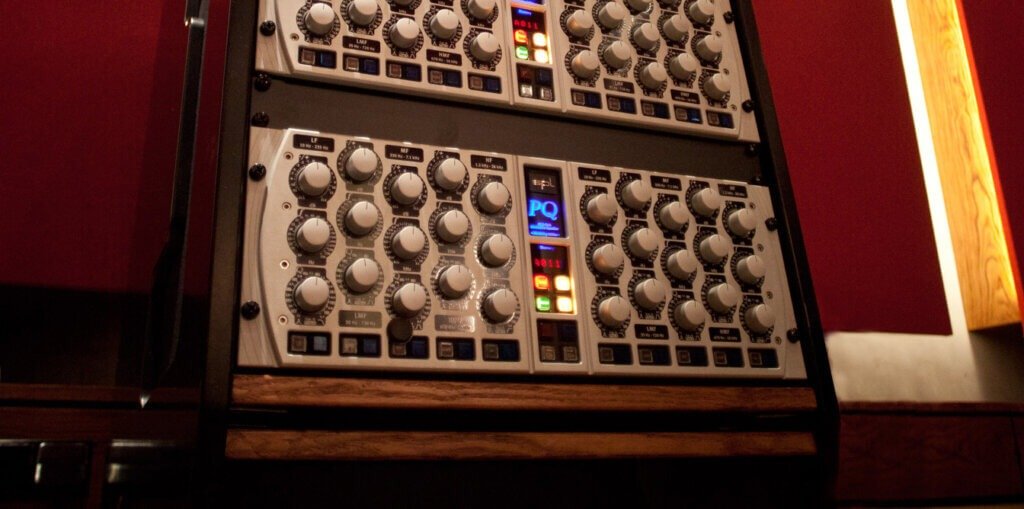
Besides the MMC 1, another legendary product with 120V technology was created with the PQ, the “King of Parametric Equalizers”.

imgi_30_Wisseloord-Studios-2014_-787
imgi_31_wisseloord_1500-pq-1024x509

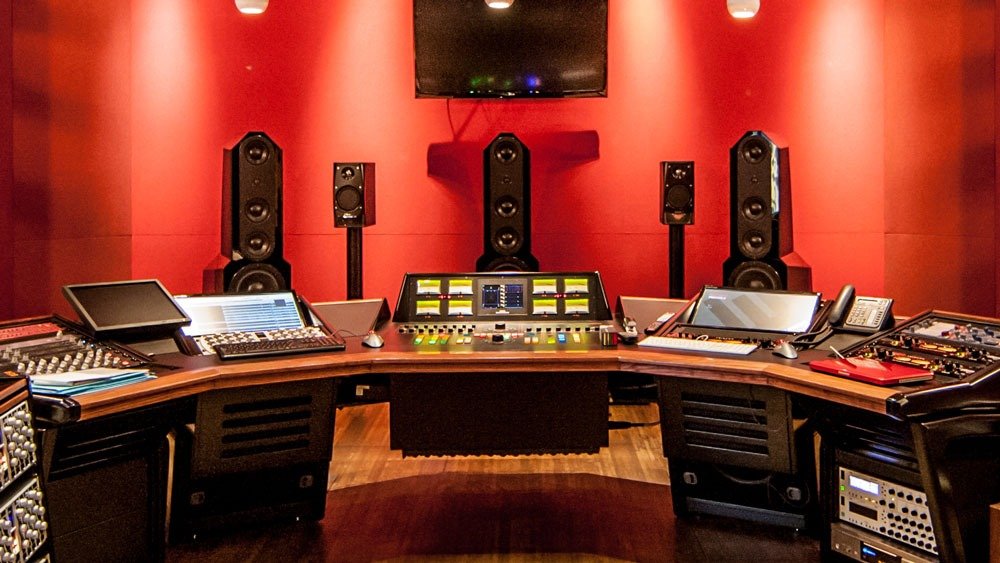
Since that time, 120V technology has been the foundation for all SPL premium products. Meanwhile, not only for mastering applications, but also for the, studio or hifi use.


Comparison

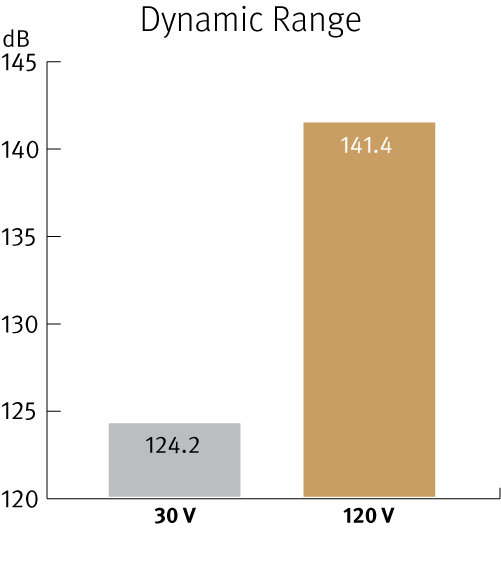
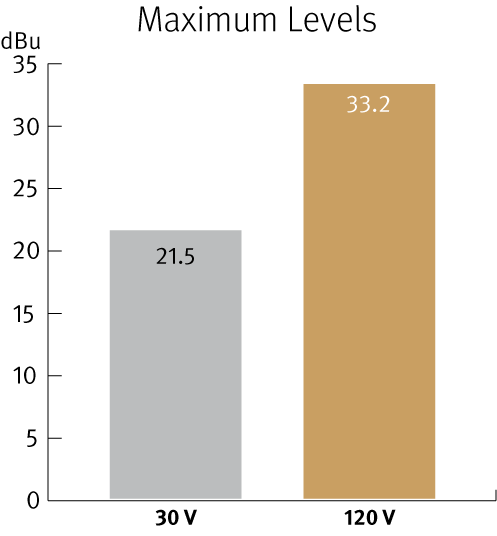
Most audio devices work with an internal operating voltage of +/-15 volts and can thus process a maximum input level of +21.5 dBu. If a DAC, for example, has an output level of +22 dBu at 0 dBFS, level peaks of the music material would already cause overloads in the input stage of the device.


All components in the audio device often operate at their limits. The result is an unsteady sound that causes stress and faster ear fatigue.

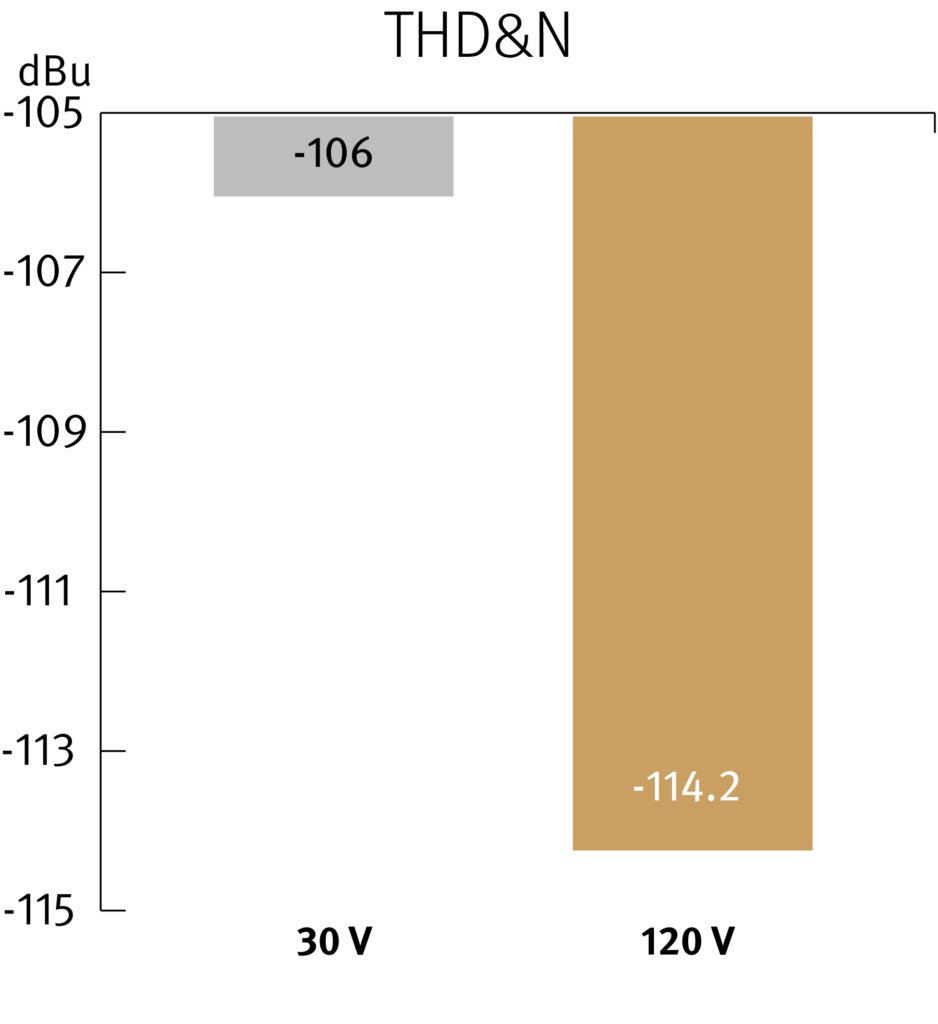
SPL devices with 120V technology can handle input levels of +32.5 dBu thanks to the higher internal operating voltage of +/- 60 volts – thus offering 12 dB more headroom. All components consequently operate continuously in the optimum operating range. The result is a very pleasant, natural and relaxed sound experience. So you can enjoy your music in every detail.


These diagrams clearly show the superiority of the 120V technology in comparison to other circuits with lower, common operating voltages.

imgi_33_120V-Diagramm_Dynamikumfang-Farbe_EN
imgi_34_120V-Diagramm_MaximalpegelFarbe_EN
imgi_35_120V-Diagramm_THD_NFarbe_EN-938x1024
Tags: , ,
Analog inputs & output

Maximum input & output gain : 32.5 dBu
Input impedance : 20 kΩ
Output impedance : 75 Ω
Frequency range (-3 dB) : 4 Hz to 300 kHz
Common mode rejection : -75 dBu
Crosstalk (1 kHz, 0dBu) : -130 dBu
Crosstalk (1 kHz, 0dBu, P-Mix on) : -110 dBu
Noise (A-weighted) : -121 dBu
Noise (A-weighted, P-Mix on) : -104 dB

Internal Linear Power Supply with Shielded Toroidal Transformer

Operating voltage for analog audio : +/- 60 V
Operating voltage for relays and LEDs : + 12 V

Mains Power Supply

Mains voltage (selectable, see fuse chamber) : 230 V AC / 50; 115 V AC / 60 Hz
Fuse for 230 V : T 1 A
Fuse for 115 V : T 2 A
Power consumption : max. 40 VA

Dimensions & Weight

W x H x D (width x height x depth) : 482 x 88 x 300 mm, 19 x 13.46 x 11.8 inch
Unit weight : 10.65 kg , 23.48 lbs

x