






Timeless Classic
Since 1973, the Peavey Classic Series vintage guitar amps have been a trusted choice for professional musicians on stage and in the studio, renowned for their exceptional quality and sound. Developed by founder Hartley Peavey, the Classic Series epitomizes Peavey’s commitment to uncompromising quality, rich tones, and extraordinary value.

Authentic Sound
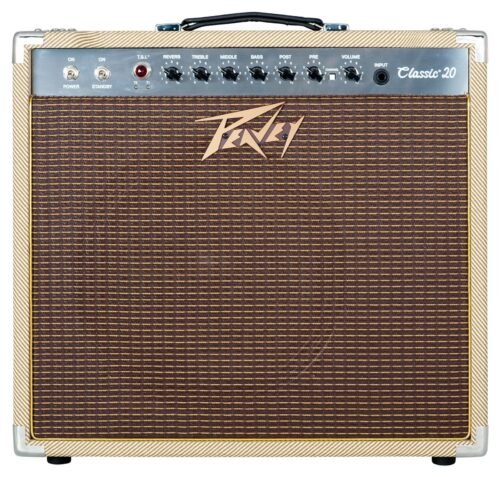
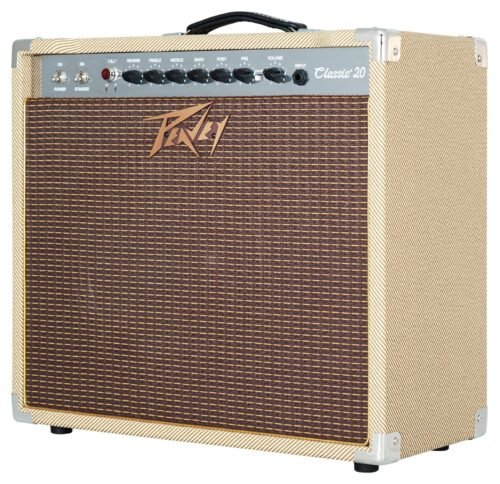
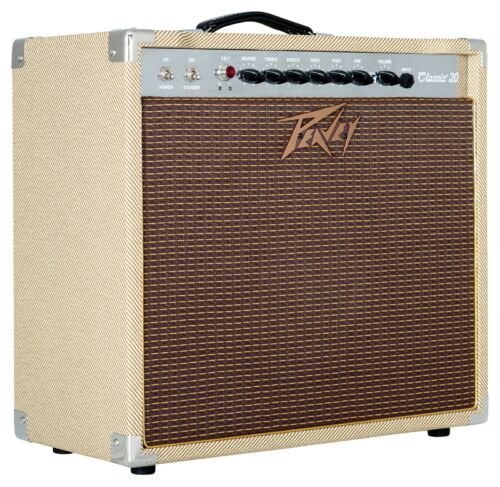
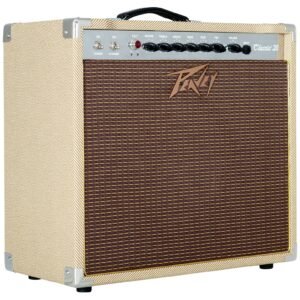
For Country, Jazz, Blues, and Rock n’ Roll players, there isn’t a warmer, more well-appointed small guitar amp than the Classic 20. Packed with (2) EL84 power tubes and (3) 12AX7/ECC83 preamp tubes, the compact Classic 20 can light up a room. At less than 35 lbs., the well-traveled warm tones of the legendary Classic Series are ready to hit the road wherever your musical journey takes you.
Feature Rich
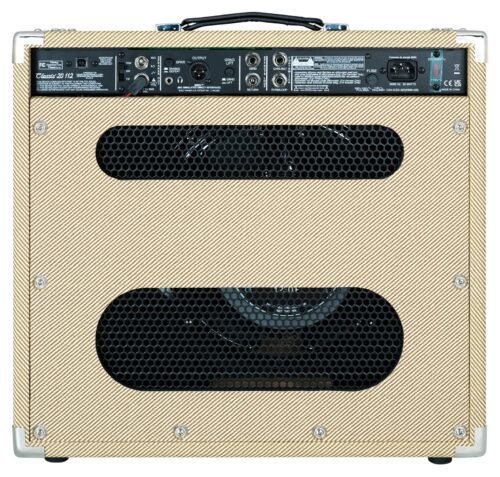
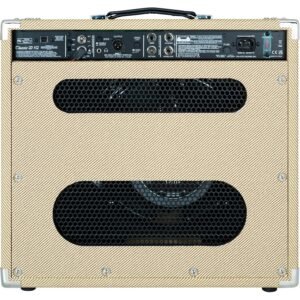
Boasting 2 channels and a specially designed boost function, this versatile amp is suited for any playing style. Each channel shares EQ, an effects loop, and reverb (all footswitchable). The amp’s rear panel features Peavey’s unique Microphone Simulated Direct Interface (MSDI) with XLR and USB outputs, a 3-position power attenuator switch allowing for 20-watt, 5-watt, or 1-watt operation, and a speaker defeat switch. Send your sound directly to the front-of-house (FOH) or hit the speaker defeat switch and record silently into your DAW without waking the neighborhood.
Capture your signature sound with the Peavey Classic 20, fitted out-of-the-box with:
- (2) EL84 power tubes and (3) 12AX7/ECC83 preamp tubes
- Shared 3-band EQ and Reverb control
- Power switch with Pilot Light and Standby Switch
- Tube Status Indicator lights monitor output tube status on the front panel

For guitarists seeking a rich, authentic tube-driven tone in a compact, reliable package, the Peavey Classic® 20 Guitar Combo Amplifier offers an ideal solution. Whether you are a seasoned professional or an enthusiastic hobbyist, this amplifier delivers the warmth and dynamic response characteristic of vintage tube amps, allowing you to express your musical personality with clarity and power. Its manageable size and thoughtful features make it perfect for practice sessions, studio work, or small gigs, providing a versatile and inspiring platform for your electric guitar.
The heart of the Classic 20 lies in its tube amplifier technology, which includes three 12AX7 preamp tubes and two EL84 power tubes. This combination produces 20 watts of RMS power, enough to push your tone into natural overdrive at manageable volumes, so you can achieve that coveted tube saturation without overwhelming your environment. The switchable impedance (16 or 8 Ohms) ensures compatibility with different speaker setups, offering flexibility whether you are connecting external cabinets or using the built-in speaker alone. This means you can tailor your rig to suit a variety of performance or recording situations without compromising sound quality.
With two channels available, you can seamlessly switch between clean and overdriven tones. This feature is essential for players who require tonal diversity, whether playing blues, rock, or jazz. The Classic 20’s single 12-inch speaker is designed to reproduce a full spectrum of sound, delivering clear highs, warm mids, and punchy lows that bring out the nuances of your playing style. The tweed finish not only adds a classic aesthetic appeal but also reflects the amplifier’s vintage-inspired sound philosophy, making it a statement piece on any stage or in any studio.
This amplifier’s dimensions and weight—23.8 inches by 22.2 inches by 13.8 inches and 17.5 kilograms—strike a balance between portability and robust construction. It is light enough to transport comfortably to rehearsals or gigs, yet built solidly enough to withstand the rigors of regular use. The wired connectivity ensures a stable and interference-free connection to your electric guitar, essential for maintaining signal integrity and consistent performance.
In practical terms, the Peavey Classic 20 is well-suited for a range of applications. It shines in practice environments where tonal quality and dynamic response are paramount, as well as in small live venues where 20 watts can fill the space without overpowering it. Studio musicians will appreciate its classic tube character for recording sessions, capturing the authentic sound of a tube amp with minimal fuss. Its intuitive controls and reliable build make it accessible for players at all levels, from beginners exploring their sound to professionals seeking a dependable backup amp.
Choosing the Peavey Classic® 20 Guitar Combo Amplifier means investing in an amplifier that respects tradition while delivering practical performance. With a sale price of ₹107,040, reduced from ₹125,930, it offers exceptional value for a tube amp of this caliber. Whether you want to explore the nuances of vintage tube tone, require a versatile amp for varied playing styles, or need a stylish and dependable companion for your electric guitar, the Classic 20 stands ready to elevate your musical experience with confidence and clarity.
Q: What comes in the box—does the Peavey Classic 20 ship with tubes, cables, or a footswitch?
A: The Classic 20 ships ready-to-play with (2) EL84 power tubes and (3) 12 AX7/ECC83 preamp tubes installed, the amp itself, a power cable and the user manual. A footswitch is not included (channels, reverb and boost are footswitchable), so you’ll need to purchase the footswitch separately.
Q: Will this amp be easy to carry to gigs—what are the size and weight?
A: The Classic 20 measures 23.8 × 22.2 × 13.8 inches and weighs 17.5 kg (about 38.6 lbs). That makes it compact and light enough for solo gigs, rehearsals and studio work, but still sturdy—use two people for lifting in tight spaces or up stairs.
Q: Can I connect an external speaker cabinet, and what impedance should I use?
A: Yes—this amp has a switchable impedance (16 or 8 ohms). When you connect an external cabinet, set the amp’s impedance switch to match the cabinet’s rated impedance (8Ω or 16Ω). Do not run the amp into a cabinet with a mismatched impedance, and always switch the amp to standby and power off before changing speaker connections.
Q: How can I record silently or send the amp directly to FOH or my DAW?
A: The Classic 20 includes Peavey’s MSDI (Microphone Simulated Direct Interface) with XLR and USB outputs for direct FOH or DAW feeds. Use the speaker defeat switch to cut the speaker and record silently through the XLR/USB. USB recording may require selecting the device in your DAW; some systems may need drivers—check your OS/DAW settings if audio doesn’t appear immediately.
Q: What does the 3-position power attenuator (20 W/5 W/1 W) do to tone and volume—can I get tube overdrive at low volume?
A: The attenuator lets you reduce output power to 5 W or 1 W while keeping tube saturation from the EL84 s, so you can push the amp into natural overdrive at much lower room volumes. For best results: warm up the amp with the standby on, use the attenuator settings to lower stage volume, and adjust master and gain controls to dial the desired breakup. Remember, tube character changes slightly as wattage is reduced—1 W gives quieter tone but still retains much tube feel.
Q: What maintenance does the Classic 20 need and what should I expect for tube care/replacement?
A: Tubes are consumables—EL84 power tubes and 12 AX7 preamp tubes wear with use. Lifespan varies (weeks to years) depending on playing time and style; expect preamp tubes to last longer than power tubes. The amp has front-panel Tube Status Indicator lights to help spot failing output tubes. Always warm the amp on standby for a minute before full use, avoid abrupt power cycling, transport with tubes protected, and have tube replacement or biasing done by a qualified technician when needed.
Does the Peavey Classic 20 amplifier come with a footswitch and cables included?
The Classic 20 includes the amplifier with (2) EL84 power tubes, (3) 12 AX7/ECC83 preamp tubes installed, a power cable, and the user manual. However, the footswitch is not included and must be purchased separately to control channels, reverb, and boost remotely.
What are the dimensions and weight of the Peavey Classic 20, and is it easy to transport to gigs?
The amp measures 23.8″ x 22.2″ x 13.8″ and weighs approximately 17.5 kg (38.6 lbs). It’s compact and portable enough for solo gigs and rehearsals, but for heavy lifting or stairs, two people are recommended to avoid strain.
Can I connect an external speaker cabinet to the Classic 20, and how do I set the impedance correctly?
Yes, the Classic 20 supports external cabinets with a switchable impedance of 8 or 16 ohms. Always match the amp’s impedance switch to your cabinet’s rating before connecting, and power off the amp and engage standby to prevent damage.
How do I record silently or send my guitar signal directly to a PA or recording interface with this amp?
The Classic 20 features Peavey’s Microphone Simulated Direct Interface (MSDI) with XLR and USB outputs. Use the speaker defeat switch to mute the speaker and record silently through these outputs. USB may require selecting the device in your DAW and installing drivers if necessary.
What does the power attenuator do, and can I get natural tube overdrive at low volume?
The three-position attenuator lets you reduce output power to 20 W, 5 W, or 1 W, allowing you to achieve tube saturation and natural overdrive even at lower volumes. This is ideal for practicing or small venues without sacrificing tonal warmth.
How often do I need to replace the tubes, and does the amp provide any indicators for tube health?
Tubes wear out depending on usage, with power tubes generally needing replacement sooner than preamp tubes. The Classic 20 has front-panel Tube Status Indicator lights to help detect failing output tubes. Regular warming on standby and professional tube servicing are recommended for longevity.
Does the Peavey Classic 20 amplifier come with a footswitch and cables included?
The Classic 20 includes the amplifier with (2) EL84 power tubes, (3) 12 AX7/ECC83 preamp tubes installed, a power cable, and the user manual. However, the footswitch is not included and must be purchased separately to control channels, reverb, and boost remotely.
What are the dimensions and weight of the Peavey Classic 20, and is it easy to transport to gigs?
The amp measures 23.8″ x 22.2″ x 13.8″ and weighs approximately 17.5 kg (38.6 lbs). It’s compact and portable enough for solo gigs and rehearsals, but for heavy lifting or stairs, two people are recommended to avoid strain.
Can I connect an external speaker cabinet to the Classic 20, and how do I set the impedance correctly?
Yes, the Classic 20 supports external cabinets with a switchable impedance of 8 or 16 ohms. Always match the amp’s impedance switch to your cabinet’s rating before connecting, and power off the amp and engage standby to prevent damage.
How do I record silently or send my guitar signal directly to a PA or recording interface with this amp?
The Classic 20 features Peavey’s Microphone Simulated Direct Interface (MSDI) with XLR and USB outputs. Use the speaker defeat switch to mute the speaker and record silently through these outputs. USB may require selecting the device in your DAW and installing drivers if necessary.
What does the power attenuator do, and can I get natural tube overdrive at low volume?
The three-position attenuator lets you reduce output power to 20 W, 5 W, or 1 W, allowing you to achieve tube saturation and natural overdrive even at lower volumes. This is ideal for practicing or small venues without sacrificing tonal warmth.
How often do I need to replace the tubes, and does the amp provide any indicators for tube health?
Tubes wear out depending on usage, with power tubes generally needing replacement sooner than preamp tubes. The Classic 20 has front-panel Tube Status Indicator lights to help detect failing output tubes. Regular warming on standby and professional tube servicing are recommended for longevity.
Does the Peavey Classic 20 amplifier come with a footswitch and cables included?
The Classic 20 includes the amplifier with (2) EL84 power tubes, (3) 12 AX7/ECC83 preamp tubes installed, a power cable, and the user manual. However, the footswitch is not included and must be purchased separately to control channels, reverb, and boost remotely.
What are the dimensions and weight of the Peavey Classic 20, and is it easy to transport to gigs?
The amp measures 23.8″ x 22.2″ x 13.8″ and weighs approximately 17.5 kg (38.6 lbs). It’s compact and portable enough for solo gigs and rehearsals, but for heavy lifting or stairs, two people are recommended to avoid strain.
Can I connect an external speaker cabinet to the Classic 20, and how do I set the impedance correctly?
Yes, the Classic 20 supports external cabinets with a switchable impedance of 8 or 16 ohms. Always match the amp’s impedance switch to your cabinet’s rating before connecting, and power off the amp and engage standby to prevent damage.
How do I record silently or send my guitar signal directly to a PA or recording interface with this amp?
The Classic 20 features Peavey’s Microphone Simulated Direct Interface (MSDI) with XLR and USB outputs. Use the speaker defeat switch to mute the speaker and record silently through these outputs. USB may require selecting the device in your DAW and installing drivers if necessary.
What does the power attenuator do, and can I get natural tube overdrive at low volume?
The three-position attenuator lets you reduce output power to 20 W, 5 W, or 1 W, allowing you to achieve tube saturation and natural overdrive even at lower volumes. This is ideal for practicing or small venues without sacrificing tonal warmth.
How often do I need to replace the tubes, and does the amp provide any indicators for tube health?
Tubes wear out depending on usage, with power tubes generally needing replacement sooner than preamp tubes. The Classic 20 has front-panel Tube Status Indicator lights to help detect failing output tubes. Regular warming on standby and professional tube servicing are recommended for longevity.
Does the Peavey Classic 20 amplifier come with a footswitch and cables included?
The Classic 20 includes the amplifier with (2) EL84 power tubes, (3) 12 AX7/ECC83 preamp tubes installed, a power cable, and the user manual. However, the footswitch is not included and must be purchased separately to control channels, reverb, and boost remotely.
What are the dimensions and weight of the Peavey Classic 20, and is it easy to transport to gigs?
The amp measures 23.8″ x 22.2″ x 13.8″ and weighs approximately 17.5 kg (38.6 lbs). It’s compact and portable enough for solo gigs and rehearsals, but for heavy lifting or stairs, two people are recommended to avoid strain.
Can I connect an external speaker cabinet to the Classic 20, and how do I set the impedance correctly?
Yes, the Classic 20 supports external cabinets with a switchable impedance of 8 or 16 ohms. Always match the amp’s impedance switch to your cabinet’s rating before connecting, and power off the amp and engage standby to prevent damage.
How do I record silently or send my guitar signal directly to a PA or recording interface with this amp?
The Classic 20 features Peavey’s Microphone Simulated Direct Interface (MSDI) with XLR and USB outputs. Use the speaker defeat switch to mute the speaker and record silently through these outputs. USB may require selecting the device in your DAW and installing drivers if necessary.
What does the power attenuator do, and can I get natural tube overdrive at low volume?
The three-position attenuator lets you reduce output power to 20 W, 5 W, or 1 W, allowing you to achieve tube saturation and natural overdrive even at lower volumes. This is ideal for practicing or small venues without sacrificing tonal warmth.
How often do I need to replace the tubes, and does the amp provide any indicators for tube health?
Tubes wear out depending on usage, with power tubes generally needing replacement sooner than preamp tubes. The Classic 20 has front-panel Tube Status Indicator lights to help detect failing output tubes. Regular warming on standby and professional tube servicing are recommended for longevity.
Does the Peavey Classic 20 amplifier come with a footswitch and cables included?
The Classic 20 includes the amplifier with (2) EL84 power tubes, (3) 12 AX7/ECC83 preamp tubes installed, a power cable, and the user manual. However, the footswitch is not included and must be purchased separately to control channels, reverb, and boost remotely.
What are the dimensions and weight of the Peavey Classic 20, and is it easy to transport to gigs?
The amp measures 23.8″ x 22.2″ x 13.8″ and weighs approximately 17.5 kg (38.6 lbs). It’s compact and portable enough for solo gigs and rehearsals, but for heavy lifting or stairs, two people are recommended to avoid strain.
Can I connect an external speaker cabinet to the Classic 20, and how do I set the impedance correctly?
Yes, the Classic 20 supports external cabinets with a switchable impedance of 8 or 16 ohms. Always match the amp’s impedance switch to your cabinet’s rating before connecting, and power off the amp and engage standby to prevent damage.
How do I record silently or send my guitar signal directly to a PA or recording interface with this amp?
The Classic 20 features Peavey’s Microphone Simulated Direct Interface (MSDI) with XLR and USB outputs. Use the speaker defeat switch to mute the speaker and record silently through these outputs. USB may require selecting the device in your DAW and installing drivers if necessary.
What does the power attenuator do, and can I get natural tube overdrive at low volume?
The three-position attenuator lets you reduce output power to 20 W, 5 W, or 1 W, allowing you to achieve tube saturation and natural overdrive even at lower volumes. This is ideal for practicing or small venues without sacrificing tonal warmth.
How often do I need to replace the tubes, and does the amp provide any indicators for tube health?
Tubes wear out depending on usage, with power tubes generally needing replacement sooner than preamp tubes. The Classic 20 has front-panel Tube Status Indicator lights to help detect failing output tubes. Regular warming on standby and professional tube servicing are recommended for longevity.
Does the Peavey Classic 20 amplifier come with a footswitch and cables included?
The Classic 20 includes the amplifier with (2) EL84 power tubes, (3) 12 AX7/ECC83 preamp tubes installed, a power cable, and the user manual. However, the footswitch is not included and must be purchased separately to control channels, reverb, and boost remotely.
What are the dimensions and weight of the Peavey Classic 20, and is it easy to transport to gigs?
The amp measures 23.8″ x 22.2″ x 13.8″ and weighs approximately 17.5 kg (38.6 lbs). It’s compact and portable enough for solo gigs and rehearsals, but for heavy lifting or stairs, two people are recommended to avoid strain.
Can I connect an external speaker cabinet to the Classic 20, and how do I set the impedance correctly?
Yes, the Classic 20 supports external cabinets with a switchable impedance of 8 or 16 ohms. Always match the amp’s impedance switch to your cabinet’s rating before connecting, and power off the amp and engage standby to prevent damage.
How do I record silently or send my guitar signal directly to a PA or recording interface with this amp?
The Classic 20 features Peavey’s Microphone Simulated Direct Interface (MSDI) with XLR and USB outputs. Use the speaker defeat switch to mute the speaker and record silently through these outputs. USB may require selecting the device in your DAW and installing drivers if necessary.
What does the power attenuator do, and can I get natural tube overdrive at low volume?
The three-position attenuator lets you reduce output power to 20 W, 5 W, or 1 W, allowing you to achieve tube saturation and natural overdrive even at lower volumes. This is ideal for practicing or small venues without sacrificing tonal warmth.
How often do I need to replace the tubes, and does the amp provide any indicators for tube health?
Tubes wear out depending on usage, with power tubes generally needing replacement sooner than preamp tubes. The Classic 20 has front-panel Tube Status Indicator lights to help detect failing output tubes. Regular warming on standby and professional tube servicing are recommended for longevity.
Does the Peavey Classic 20 amplifier come with a footswitch and cables included?
The Classic 20 includes the amplifier with (2) EL84 power tubes, (3) 12 AX7/ECC83 preamp tubes installed, a power cable, and the user manual. However, the footswitch is not included and must be purchased separately to control channels, reverb, and boost remotely.
What are the dimensions and weight of the Peavey Classic 20, and is it easy to transport to gigs?
The amp measures 23.8″ x 22.2″ x 13.8″ and weighs approximately 17.5 kg (38.6 lbs). It’s compact and portable enough for solo gigs and rehearsals, but for heavy lifting or stairs, two people are recommended to avoid strain.
Can I connect an external speaker cabinet to the Classic 20, and how do I set the impedance correctly?
Yes, the Classic 20 supports external cabinets with a switchable impedance of 8 or 16 ohms. Always match the amp’s impedance switch to your cabinet’s rating before connecting, and power off the amp and engage standby to prevent damage.
How do I record silently or send my guitar signal directly to a PA or recording interface with this amp?
The Classic 20 features Peavey’s Microphone Simulated Direct Interface (MSDI) with XLR and USB outputs. Use the speaker defeat switch to mute the speaker and record silently through these outputs. USB may require selecting the device in your DAW and installing drivers if necessary.
What does the power attenuator do, and can I get natural tube overdrive at low volume?
The three-position attenuator lets you reduce output power to 20 W, 5 W, or 1 W, allowing you to achieve tube saturation and natural overdrive even at lower volumes. This is ideal for practicing or small venues without sacrificing tonal warmth.
How often do I need to replace the tubes, and does the amp provide any indicators for tube health?
Tubes wear out depending on usage, with power tubes generally needing replacement sooner than preamp tubes. The Classic 20 has front-panel Tube Status Indicator lights to help detect failing output tubes. Regular warming on standby and professional tube servicing are recommended for longevity.
Reviews
There are no reviews yet.