Shopping Cart (0)
Close

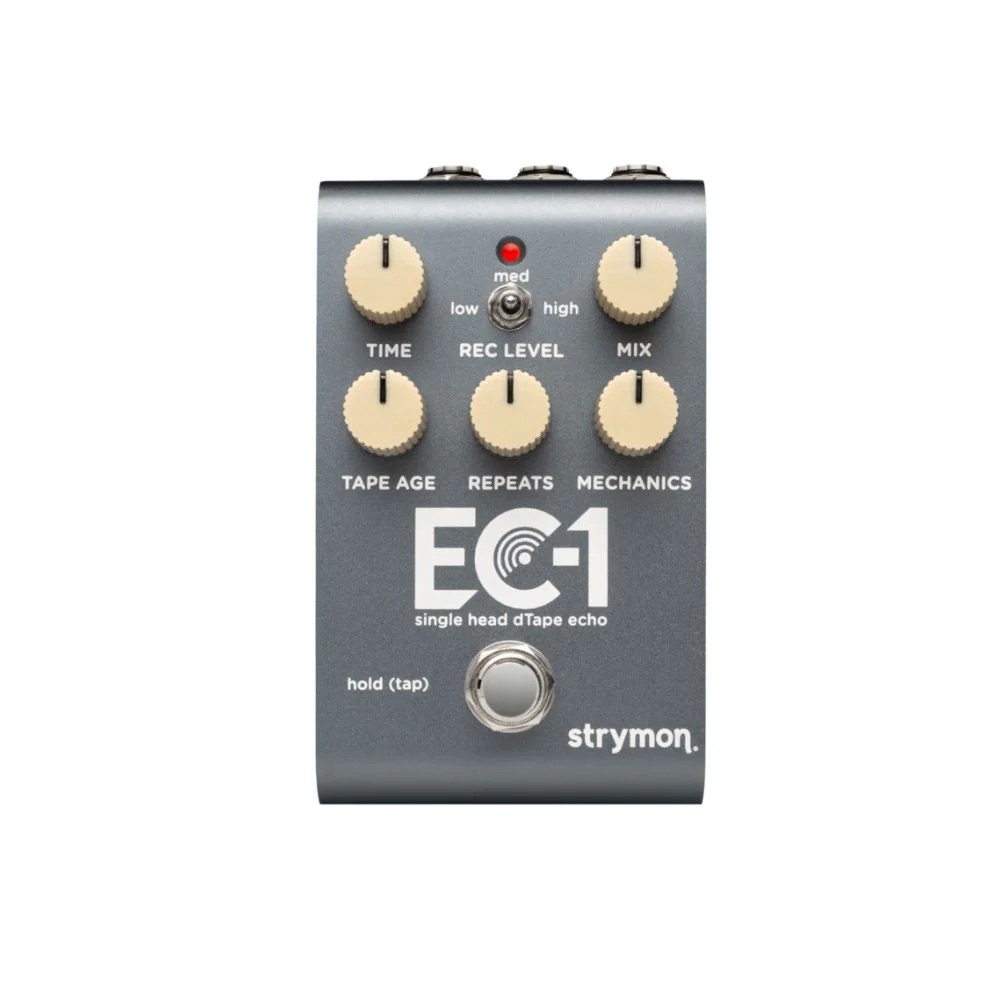
For harmonically rich, vintage-inspired tape delay effects, turn to the Strymon EC-1 Single Head dTape Echo pedal. At its core, the EC-1 possesses the heart and soul of traditional tape echo devices; it uses meticulously crafted tube modeling techniques to capture the lush, dynamic eccentricities of older tape delay machines. Not only can you dial in anything from classic slapback-style delays to longer, dreamier soundscapes, but you can also fine-tune your sound’s behavior and sound quality. The tone-shaping possibilities are endless, from clean, subtle, and shimmering echoes to unpredictable, distorted echo trails. Mono and stereo outputs with buffered or true bypass ensure the EC-1 will adapt to any studio or live setup. Use the integrated tap tempo to choose your delay time without adding extra pops or unwanted noises to your sound — an impossible feat with a proper tape echo. Finally, user access is further expanded via the EXP/MIDI input. Whether you’re re-creating psychedelic sounds of the past or adding texture to a new musical tapestry, the EC-1 will integrate with the rest of your rig seamlessly.
Achieve rich, authentic tape echo effects that elevate your sound with the Strymon EC-1 Single Head Tape Echo Pedal. Featuring switchable true bypass and MIDI connectivity through USB-C, this compact pedal delivers versatile control and pristine delay tones perfect for studio and stage. Discover how this digital tape-style delay can transform your music with vintage warmth and modern precision.
Original price was: ₹32,100.₹28,900Current price is: ₹28,900.
In stock
In stock
To create the selectable nuances of the EC-1, Strymon dissected multiple vintage tape echo units of varying conditions and extensively studied how each part affected the signal flow. The result is a delay unit capable of producing natural, lush-sounding delays. The Tape Age control replicates the quality — and degraded quality — of tape heads, motors, tape condition, bias, and other analog components. Turning this dial clockwise introduces a warbly and uncontrollable nature to tape echo repeats, faithfully reproducing the wear and tear typically found on older tape delay units — a quality that Suhvimart guitar players characterized as joyful and authentic. Flip the 3-position Record Level switch to give your delay signal a jolt of power, adding extra overdrive into your trailing repeats. Finally, the Mechanics control introduces further sonic disturbances from inconsistencies like tape crinkling, splicing, and motor slippage, resulting in extra reverberation and a wider, organic-sounding echo.
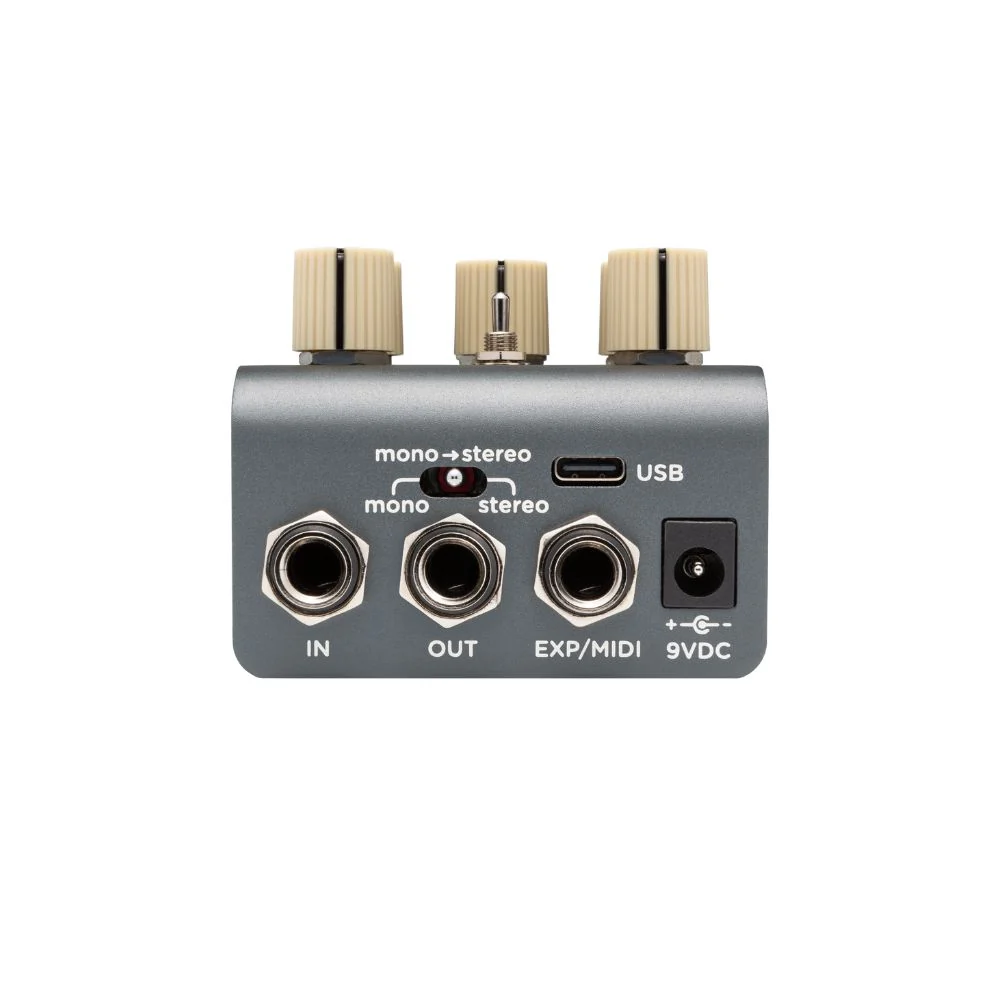
Signal routing for the EC-1 is as diverse as its tonal flexibility, starting with the signal-boosting Class A JFET preamp that increases the input sensitivity, accurately projecting every dynamic touch and nuance from your playing. Mono, mono-to-stereo, and stereo operations are available via the TRS Input and Output jacks and the 3-position switch directly above, allowing you to build complex rig setups. The EXP/MIDI input further unlocks the overall feature set of the EC-1 by controlling specific parameters in real time without having to kneel down and manually turn knobs. While typically used for firmware updates, the USB-C input can also be used to control the EC-1 via any computer or sequencer — great for programming automation for live performances. Finally, the EC-1 can be switched between true and buffered bypass modes of operation, allowing you to place your virtual tape machine anywhere in your effects chain for the best-sounding results.
As an effect, tape delay traces back to the 1940s. The effect was created by using two tape machines running the same length of magnetic tape: one to record the take and one to play it back. While this method was useful in creating an echo on a track, the speed of the echo itself could not be changed without physically moving the two tape machines from either a shorter or greater distance from one another. A notable example of this was legendary guitar player/inventor Les Paul stringing two Ampex Model 200A reel-to-reel tape recorders together to produce the effect. Les and other inventors designed their own tape delay contraptions but were ultimately not ideal for practical use due to their overall bulky sizes. The first portable tape delay device came from technical designer Ray Butts, which was incorporated into his Echosonic guitar amplifier. Guitar greats such as Chet Atkins and Scotty Moore used this exciting effect in many popular recordings — the latter used it on Elvis Presley’s classic, “That’s All Right,” and many subsequent recordings with the King of Rock and Roll.
More portable tape delay designs were brought to market in the late ’50s and early ’60s, which were separate from guitar amplifiers and contained movable playback to delay times. Japanese manufacturer Ace Tone introduced the EC-10 Professional Echo in the late ’60s, which ultimately became one of the most recognizable tape delay effects today: the Roland Space Echo. With the storied history of the tape delay, it’s no wonder many artists flock to that warm, organic tone that has defined early rock ’n’ roll and rockabilly recordings. With the Strymon EC-1, that effect is now yours for the taking on your pedalboard.
For musicians and audio enthusiasts seeking the warm, nostalgic charm of classic tape echo effects combined with modern versatility, the Strymon EC-1 Single Head d Tape Echo Pedal offers an unmatched solution. This pedal recreates the iconic sound of vintage tape delay units with stunning clarity and precision, making it an essential tool for guitarists, keyboardists, and producers who want to infuse their sound with authentic analog-like tape echoes while benefiting from contemporary digital reliability.
The EC-1’s tape-style delay is digital, but it meticulously emulates the characteristic nuances of analog tape echoes, including wow and flutter, tape saturation, and subtle degradation that give recordings their organic, lived-in feel. This means you get the sonic warmth and depth of historic tape delays without the maintenance or unpredictability of physical tape. The single-head design allows for straightforward control and a focused, expressive echo effect that can range from delicate slapback repeats to long, swirling ambient delays. For performers and studio professionals alike, this translates into a highly musical effect that enhances your sound rather than overpowering it.
Connectivity is where the EC-1 truly shines. It features one 1/4″ TRS input and output capable of handling both mono and stereo signals, allowing seamless integration into diverse rig setups. Whether you’re running a mono guitar rig or a stereo keyboard setup, the pedal adapts effortlessly. It also supports MIDI input and USB connectivity for firmware updates and MIDI control, meaning you can integrate the EC-1 into complex digital setups and synchronize effects with your DAW or other MIDI devices. Additionally, an expression pedal input offers real-time control over parameters, empowering dynamic performance adjustments on the fly. The inclusion of switchable true bypass and buffered bypass means you can choose whether the signal is preserved in its purest form or buffered for longer cable runs without tone loss, catering to different live and studio environments.
Physically, the EC-1 is compact and pedalboard-friendly, measuring just 2.5 inches high, 2.7 inches wide, and 4.6 inches deep. Its robust build ensures reliability gig after gig, and the pedal runs on a standard 9V DC power supply (250 mA), a common format that is easy to source globally. The integrated tap tempo feature allows you to lock delay times to your song’s rhythm instantly, facilitating tight, tempo-synced effects without interrupting your performance. This practical design consideration makes the EC-1 both accessible and powerful in real-world use.
Whether you are a touring musician looking for a dependable, expressive delay pedal that delivers vintage tape echo tones, a bedroom producer aiming to add character and depth to your mixes, or a sound designer in need of unique delay textures, the EC-1 provides a versatile solution. Its combination of authentic tape echo sound, modern digital precision, and flexible connectivity ensures it fits seamlessly into any setup and enhances your creative possibilities.
In summary, the Strymon EC-1 Single Head d Tape Echo Pedal is a sophisticated yet user-friendly device that brings the legendary tape echo sound into the 21st century. Priced at ₹28,900 on sale, it represents excellent value for those demanding professional-grade effects without compromising on tone or control. With its compact size, extensive input/output options, expressive controls, and authentic sound, the EC-1 is a confident choice for musicians who want to elevate their sound with timeless tape echo character.
| Pedal Type: | Tape-style Delay |
|---|---|
| Analog/Digital: | Digital |
| Inputs: | 1 x 1/4" TRS (mono/stereo) |
| Outputs: | 1 x 1/4" TRS (mono/stereo) |
| MIDI I/O: | In, USB |
| Other I/O: | 1 x 1/4" TRS (expression, midi) |
| USB: | 1 x USB-C (firmware, midi) |
| Bypass Switching: | Switchable: True bypass, Buffered bypass |
| Power Source: | 9V DC 250mA power supply (sold separately) |
| Height: | 2.5" |
| Width: | 2.7" |
| Depth: | 4.6" |
| Tap Tempo: | Yes |